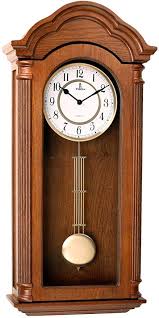
In the middle ages mechanical clocks were a lot more accurate than the clocks they had before, like water clocks and hour glasses. The mechanical clock lost or gained about 15 minutes per day. Galileo Galilei had noticed that a chandelier swaying took the same amount of time to do a cycle no matter how far it swings. This is untrue for larger swings but it is true for small swings. Galileo did not end up making a pendulum clock his son tried to but didn’t so Christiaan Huygens ended up making the first pendulum clock. While the mechanical clock lost or gained about 15 minutes per day the pendulum clock lost about 15 seconds per day. People began to have better more accurate clocks and do more complicated experiments.

 School Essays