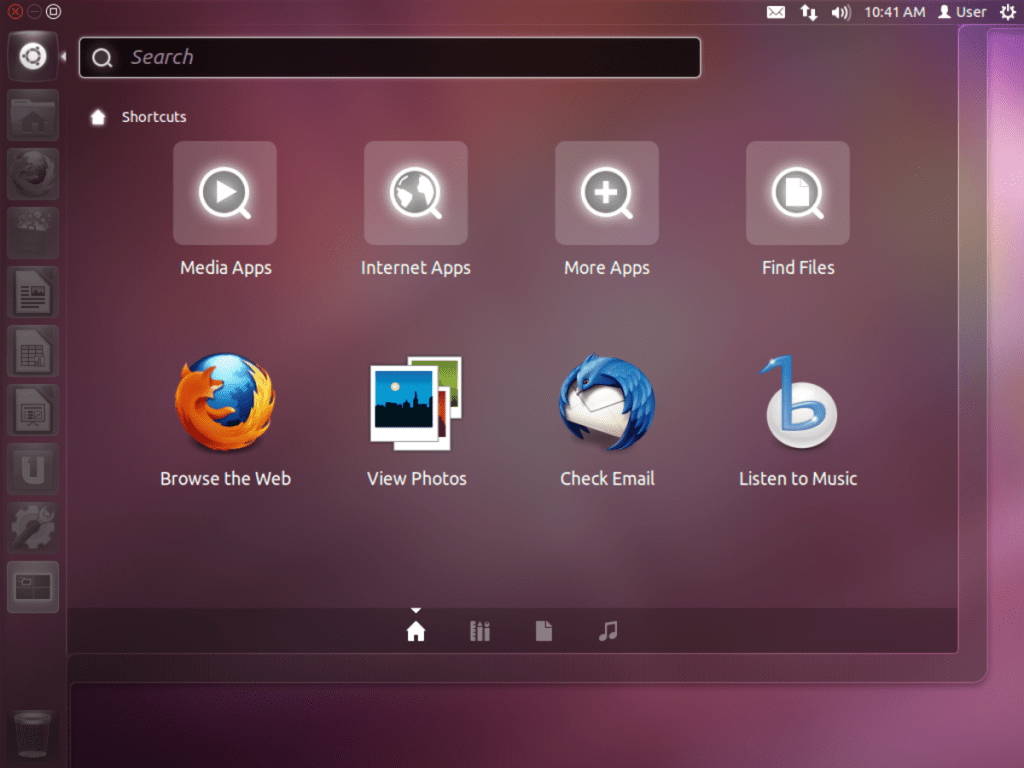
The first computers where really machines that ran on electromagnets. They quickly evolved into electrical computers with the help of the vacuum tube. But they were very, very annoying and aggravating to use and program. The ENIAC computer was the size of a large room and it didn’t use any memory to store programs, so people would flip switches and plug/unplug wires to turn on a program. This could take a day or a week depending on the program. Then you would have to check that you did it right. Then in the 1950s the programming was made easier with punch cards. Punch cards are stiff paper cards that have holes punched in them that the computer will feel and translate into code for the program. In the 1970s video displays and keyboards appeared that allowed you to type the program into the computer, but it still wasn’t consumer friendly. A program called sketchpad allowed you to draw pictures on a computer screen which was an amazing step forward in computer technology. It wasn’t long after sketchpad was made that the mouse was created so that you could move a mouse on your desk to move a digital hand on the screen. A company called Xerox opened a lab in Silicon Valley called PARC. It was at PARC that they made the first graphical user interface which is called GUI for short. A GUI is a user friendly program runner. It makes the icons that you click on to go to. Folders of digital pages are also apart of the GUI.

 School Essays