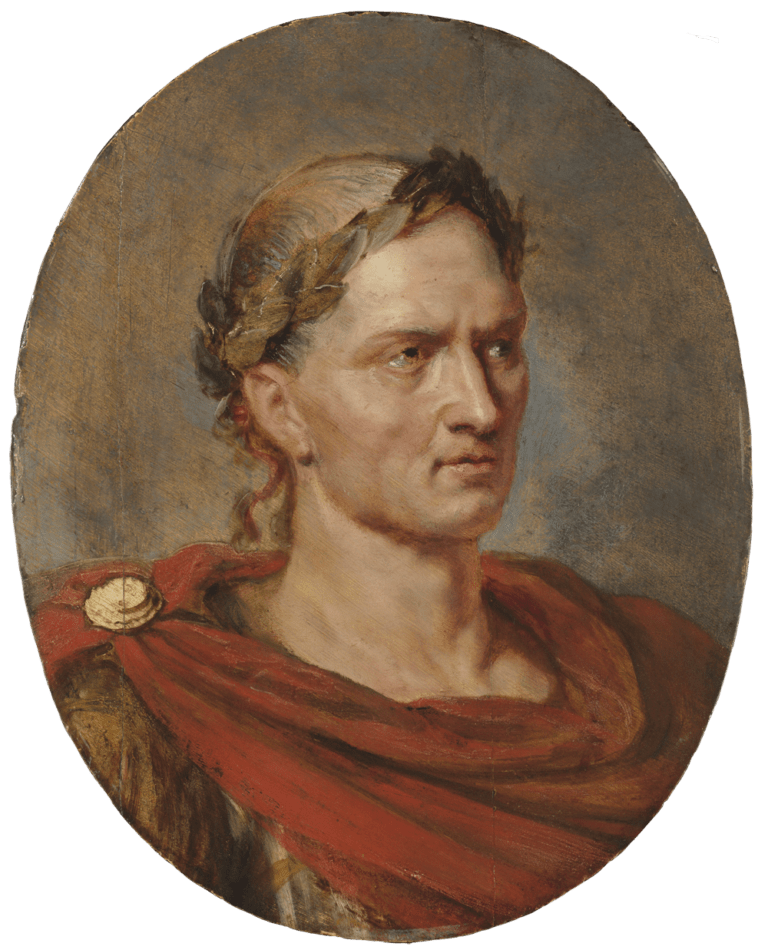
In 170 BC the Roman Republic was going through some political difficulties as Marius and Sulla began their rivalry. It started when the army started having difficulties keeping its soldiers in the army. The reason behind this was a law that said all roman soldiers had to be land-owning citizens. The problem with this was that the wars the soldiers partook in would be too long for the soldiers to be able to keep up on his land and farm, so they wouldn’t be able to make money or food off the farms, forcing them to sell it to a big company that didn’t go to war. As soon as they sold their land just to get some food they weren’t land-owning citizens and couldn’t be in the army. A general named Marius saw this problem and when he became consul (one of two leaders of the Roman Republic) he changed how the army worked and allowed non-land-owning citizens to join the army, and even to earn citizenship if they weren’t already citizens. I covered some other changes he made in a post called Roman Military. He was made consul for driving back the Gauls, which he had done after being exiled by a consul named Sulla. He was made consul and had driven out the Gauls while Sulla was out conquering new bits of land when he heard about Marius being consul. He rushed home to find that Marius had died peacefully of old age. Sulla made several other laws that were all very bad for Rome when two generals Pompey and Crassus decided to do something about Sulla. But, they needed the help of another general to be able to be effective. The name of the third general was Julius Caesar. Together these men made up the first Triumvirate and they managed to banish Sulla and take control of the entire Roman Republic. However, Julius Caesar wanted more power, so he arranged for Crassus to be killed in Syria and for Pompey to be at war in Portugal while he became Dictator for life, which is a polite way to say emperor. His plans worked, and Pompey was caught by surprise. After a few bloody battles Pompey was eventually defeated and killed, making the way clear for Julius to stay basically-emperor-but-not-really for the rest of his life, which wasn’t long because the senate realized their own power would be diminished as long as there was a dictator for life, and stabbed Caesar to death rather famously. Caesar’s last words were “Et tu, Brute?” which means “You to Brutus?” referring to the fact that his best friend and senate member Brutus had also stabbed him.

 School Essays