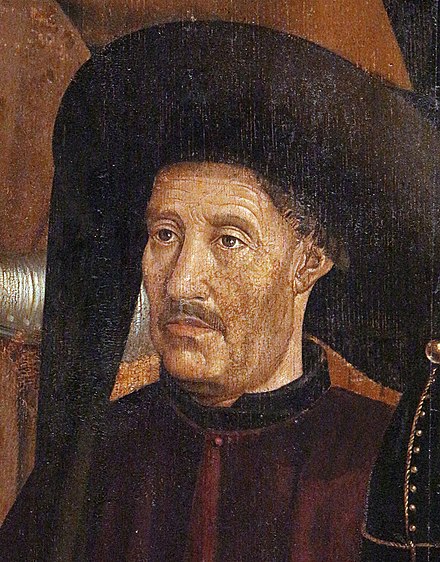
During the 1500s and 1600s the Spaniards and other countries sent out many explorers to colonize the New World, and there was no shortage of people who had heard of great wealth in the New World and wanted to visit it. The most famous explorer is, of course, Christopher Columbus, and despite being Italian he was funded by Spain to go to India in 1492, but he famously ran into America instead. However, Spain wouldn’t have funded him if it weren’t for the Navigation Guild, which was started by Prince Henry the Navigator (picture above) in 1431, after finding the African gold trade and stopping many pirates.
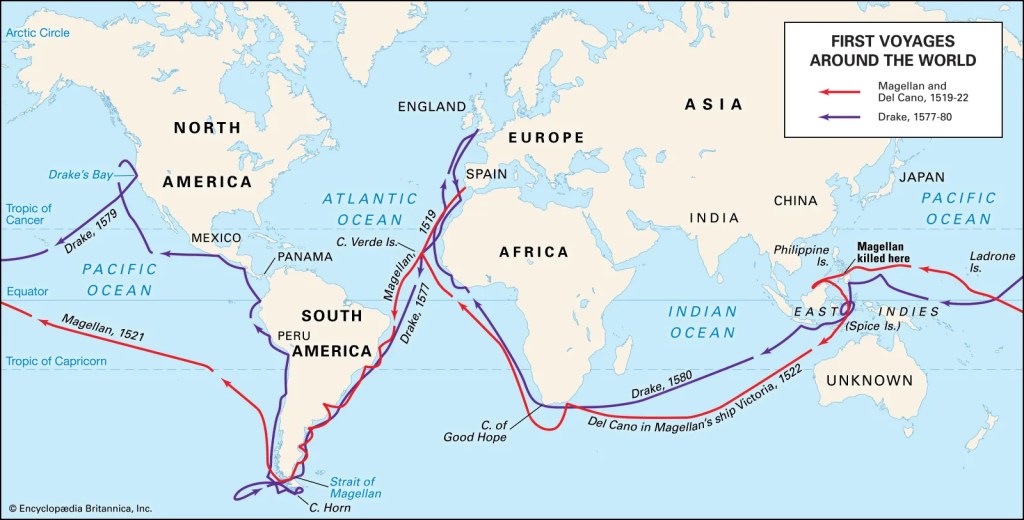
Ferdinand Magellan was a Portuguese soldier who worked in Oceania, making sure shipments of spice went to Portugal. Unfortunately, he suffered a wound in his leg that gave him a permanent limp. Thinking this allowed him to go home, he sailed back to Portugal, only to be accused of desertion. This caused him immense shame, and made it almost impossible to find work, so he moved to Spain. All this time, the Spanish nobility have been thinking that, it’s good and all that Columbus found a new world, but we still need to get to India. So when Magellan offered to take a fleet through the new world, they gave him five ships and 270 men. The path he took is famous, (red line on the map, blue line is a different explorer) and he found the Straits of Magellan, but he died in the Philippines, the same place he was wounded. His men eventually got back, but out of the five ships and 270 men in the year 1519, only one ship and 18 men got home in 1522.
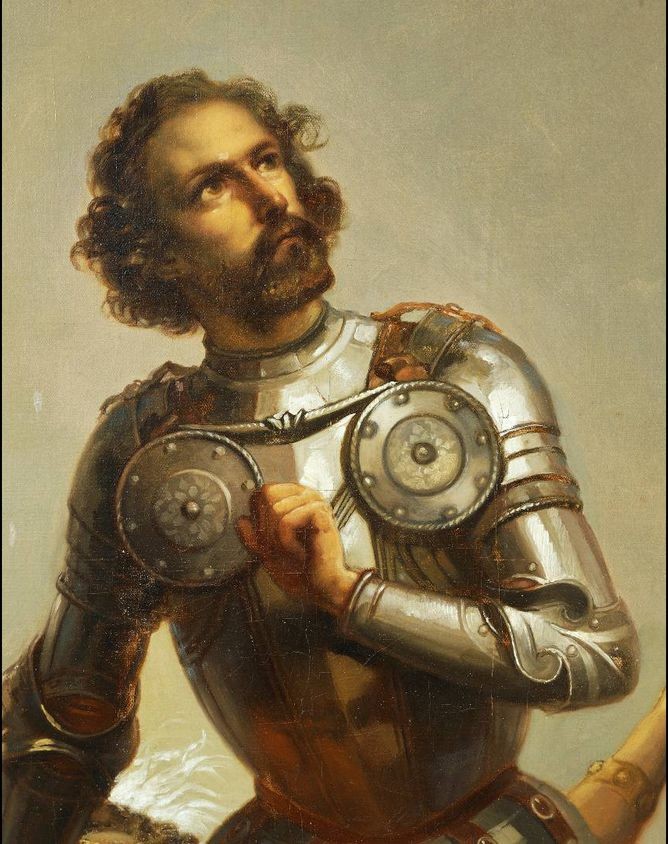
In 1504 Hernando Cortes went on his first sailing trip to Cuba, to work up some startup profit. In 1518 he got the okay to set sail to Mexico by the Spanish Government, but as he was boarding it came through that he should not set sail, but did this stop him? It should have! He continued to Mexico, and there met several friendly natives, but when an aggressive tribe attacked his hosts he fought with them, and he continued to make treaties with the Aztec Empire’s vassal states, until he managed to conquer the entire empire, winning him and his crew great riches, which encouraged poor people on the mainland to take to sailing. He was then made governor of Mexico (they called it “New Spain”) from 1521-1528 by the King of Spain, but he resigned and continued to explore California until his death at 1547
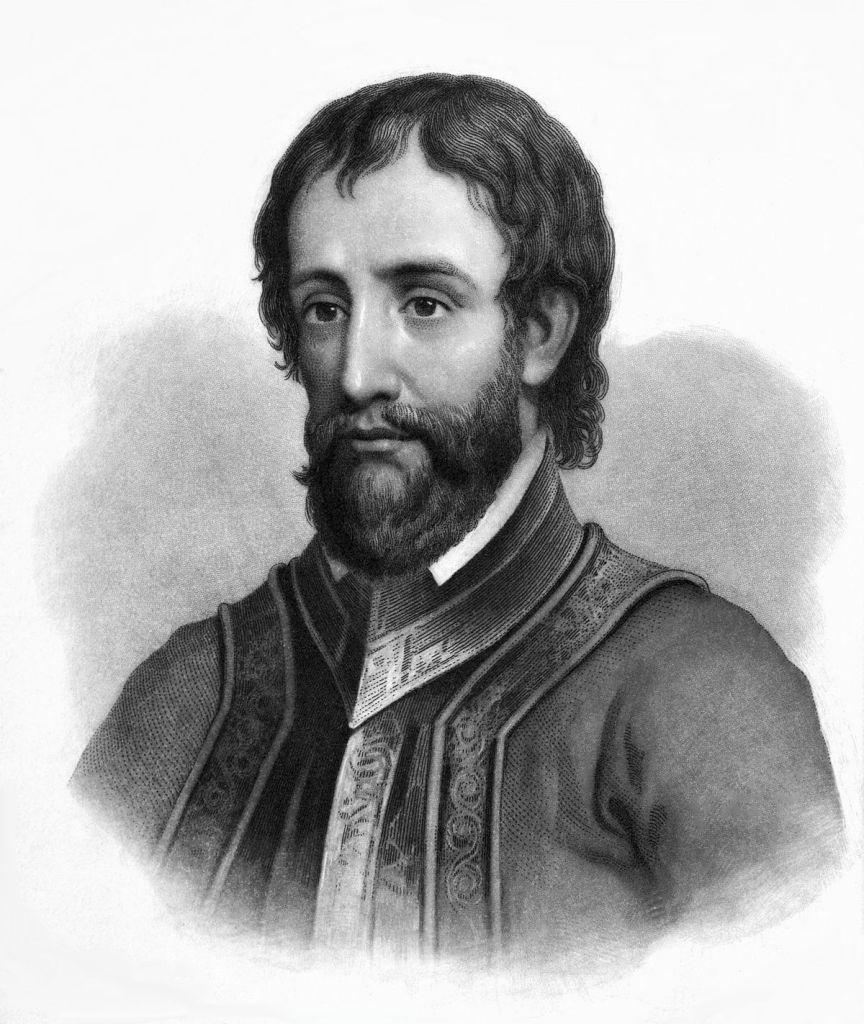
There were many other explorers, such as Hernando de Soto (in the picture), who discovered the Mississipi River, and sailed on it in 1541, and Juan Ponce de Leon who found much gold in Puerto Rico, later becoming the governor, but never found the Fountain of Youth (as far as we know), his goal. Another is Francisco Vasquez de Coronado, whose mission was to find Cibola, the seven cities of gold. He didn’t find Cibola, but explored much of North America’s Midwest, being the first explorer to find the Grand Canyon. There were a great many other explorers who didn’t do as much, or died without succeeding, and their names are not remembered, and are thus not in this post.

 School Essays