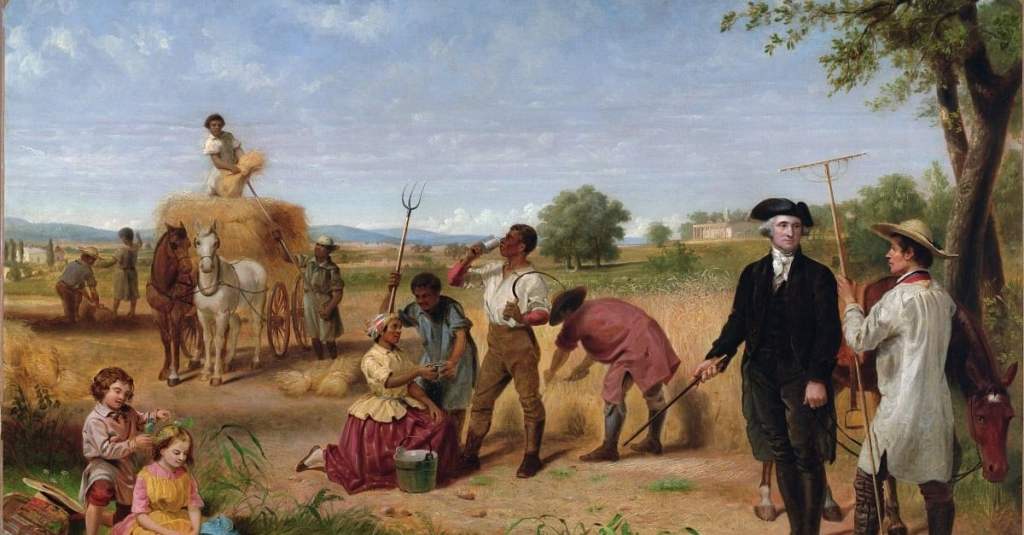
The first English towns in America were harbor towns, such as New York, Boston and Charleston, in addition to other cites and towns built on rivers, such as Philadelphia. These harbor towns became the biggest and most important of the cities in the colonies, since they had access to England and the rest of Europe, as well as having extra time to develop, since the English founded the towns on the coast before the inland towns. These towns are still famous and important even today, like New York and Boston.
The first building in most new towns was often a church, so that the people could pray to god to help with the rest of the town, and because the majority of the initial colonies were started by people seeking religious freedom, and if you’re willing to leave your home and civilization for your religion, it must be pretty important to you. The entire city would often be made in a Roman grid format, allowing travel between the buildings. The homes would then be made in that grid pattern, and they were often one story tall, with only one room where a family would sleep, eat, cook, and spend their idle hours. If families grew too large, they would get an extension that made the home look like a salt cellar, earning them the name saltbox houses.
Children were thought to stop being babies and start being kids at age six, when they were expected to help in the home and were taught to read and write. If they were a boy then he was likely to learn arithmetic and, possibly, go to a college like Yale or Harvard, which are still around today. This was less likely for girls, but still possible. Boys would be apprenticed anywhere from 13 to 20 if they didn’t go to a college, and if they did they would then look for a job after. A boy wasn’t considered a man until he got a job and became self-sufficient in the towns and later colonial times, though the farmers would often just have their sons help them on the farm. The girls became women after getting married and moving out with her husband, often at age 15, who probably had his own home at this point.
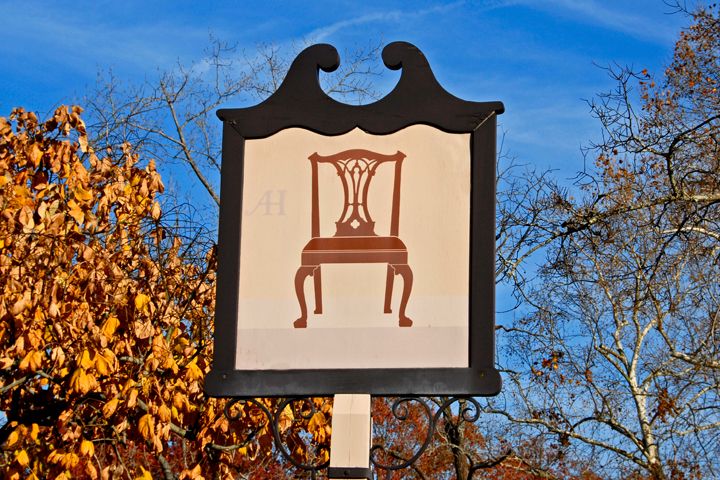
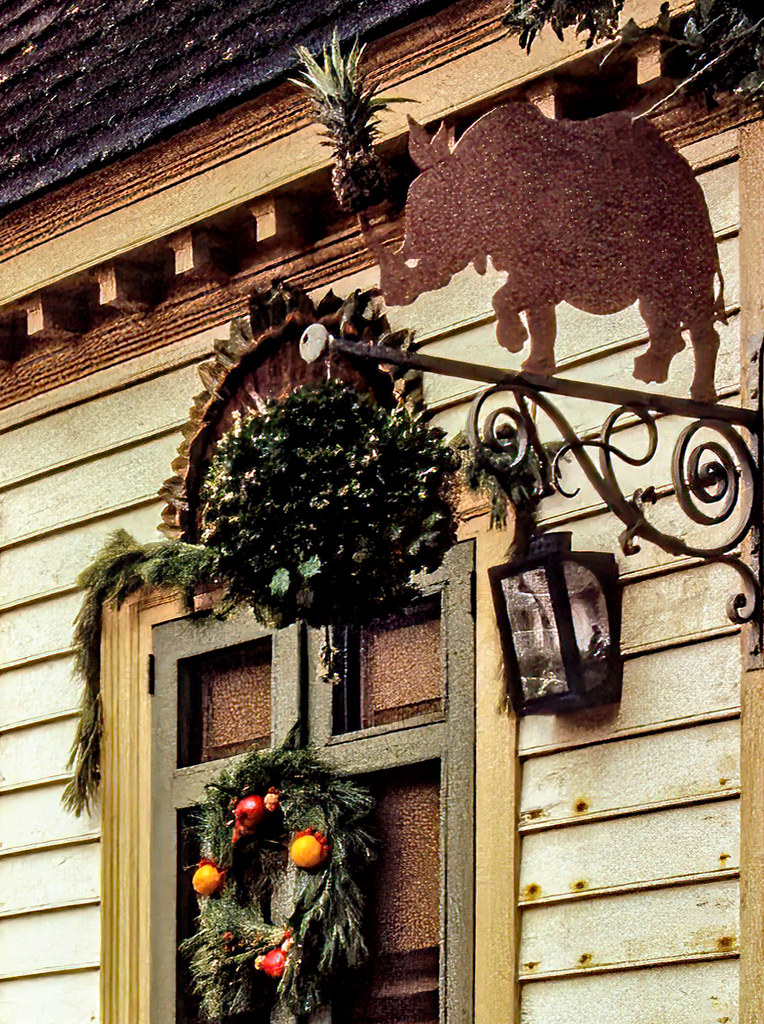
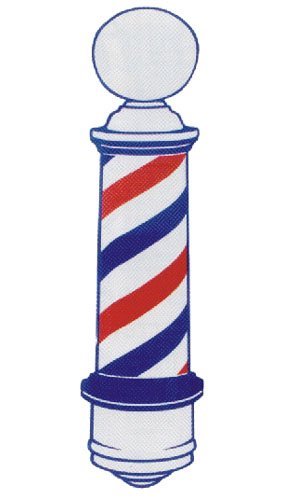
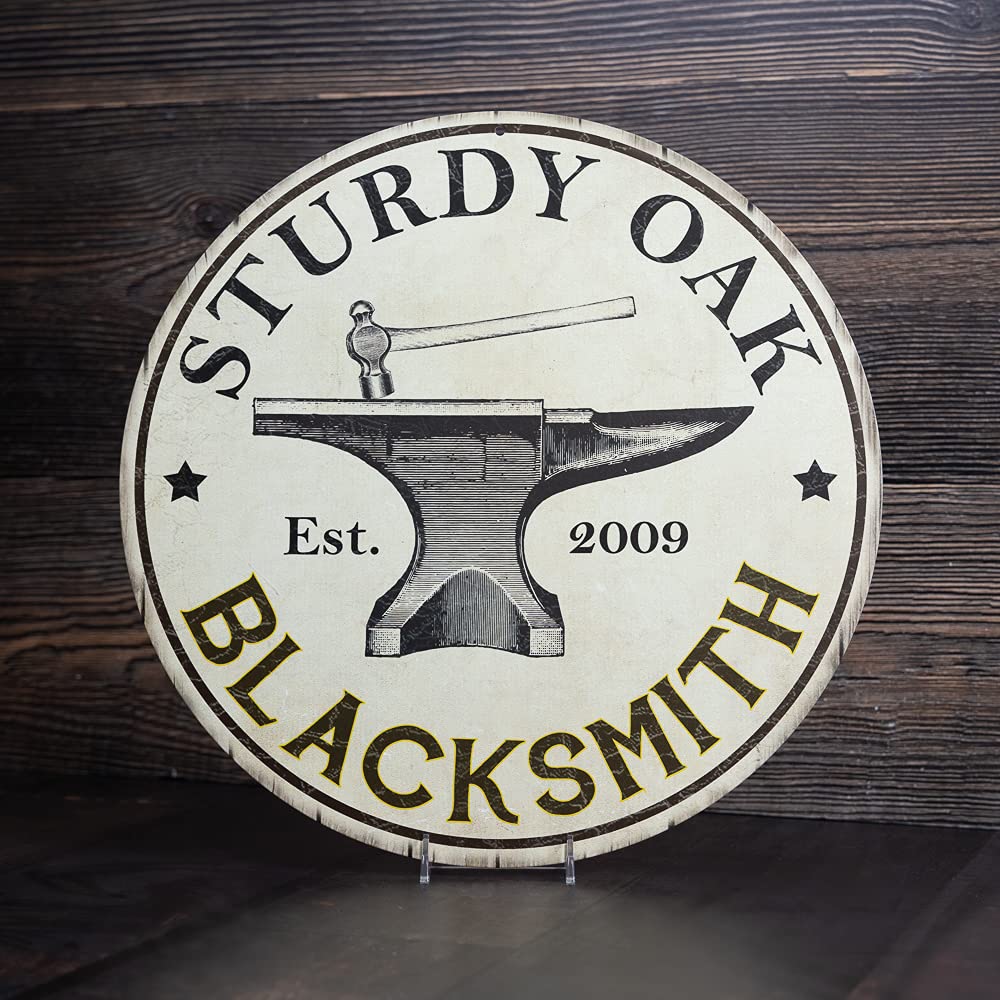
Markets were developed much the same way they are now, with the many shops opening up on one large road, often called Main Street, where people could walk up and down the road looking at the major shops. The major shops and jobs that you would find in Colonial America were: The barber (shown with the red, white, and blue pole), who cut hair as they do today, but also acted as a “bloodletter” which was where they would stick leeches on you while they cut your hair. The goal of bloodletting was to have the leeches suck out “excess” blood, or bad blood. This is not done today, though if you really wanted to, I suppose you could buy some leeches. The Blacksmith (shown by a hammer and anvil(yes, I know it says 2009, still a good example)) worked with metal such as iron and steel, making weapons, pots, and pans, as well as horseshoes. The Silversmith, or goldsmith, made and repaired jewelry, such as rings, necklaces, and earrings. These were expensive enough to get him by without nearly as much work as the blacksmith. All the townsfolk tended to pitch in when a new house was made, but it was up to the cabinetmaker (shown by a chair) to make chairs, cupboards, clock cases, and of course, cabinets. It went to the cooper, however, to make barrels. Barrels were extremely important back then, since they were the most surefire way to store anything, from fish to steaks to beer to water to grain and back again. The farmer grew food and raised animals, providing enough food for them and the other people to live off of, since they didn’t get much from England other than crackers and tea. The Grocer (the rhino, since grocers thought they were lucky) was the one who sold the farmer’s food as well as any other knickknacks that could be found but not specialized in. There were many other jobs, but too many to go into here.
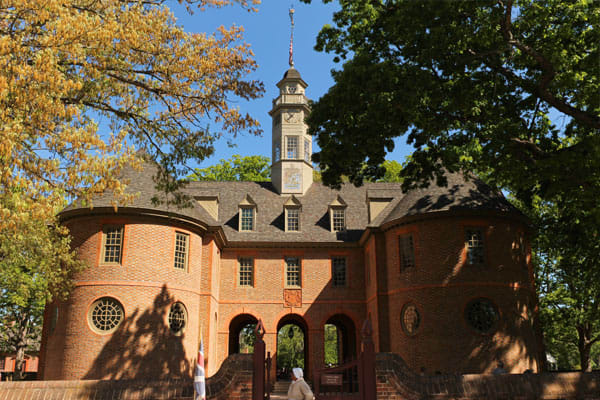
There would often be a government building in a town, sometimes two if it was a big town, the town hall, where people would judge crimes and grievances, and sometimes the prison. If it was a capitol, the capitol building would be there. The capitol building, was often an H shape, like in the picture. One side housed the Governor’s council, and the other the House of Burgesses (not burgers, I know, I too am disappointed). The Governors Council represented and advised the Governor, who worked for the English King and was in charge of keeping the king happy with that particular colony. The House of Burgesses however represented the people, and was elected by them to ensure the Governor didn’t turn into a dictator. We still have a similar government structure to this day. The two sides would figure out what they wanted in their wings of the building, then negotiated in the bridge of the H.

 School Essays