Started in 1919 after the Bolshevik Revolution, the Soviet Union finally fell in 1991, 72 years later. Technically speaking, the U.S.S.R. wasn’t started until 1922 when Joseph Stalin united all the communist parties that had been started by Lenin’s Bolshevik Revolution in 1919. Stalin ruled the Soviet Empire with a heavy hand until his death in 1953.
Then, Nikita Khrushchev quietly moved Stalin’s successor out of the way and took over. He instituted much less controlling policies, though was clearly still a dictator. The new policies helped improve relations with the U.S.A, who had engaged in a Cold war with Stalin’s government, until the Cuban missile crisis in 1962. The crisis started when communist Cuba began installing Nuclear Missiles on their island, given to them by the Soviets. This was incredibly dangerous for the U.S.A. since Cuba is practically a next door neighbor. Frantic negotiations were carried out, that nearly resulted in nuclear annihilation. However, it instead brokered a deal that stated the Russians would remove their missiles from Cuba, if the Americans removed their missiles from Turkey, and promised not to invade Cuba. Things calmed down from there, and nothing very important happened until 1979, under the reign of Leonid Brezhnev, who took power in 1964.
In 1979 the Soviet war on Afghanistan began, and the U.S.A, who didn’t want the Russians to expand, funded the Afghans. They didn’t outright go to war with Russia because that would initiate Nuclear death, but instead funded the people Russia was already trying to fight. Eventually, in 1989, under Mikhail Gorbachev, the war was ended, since no real conclusion was to be found, and the U.S.S.R. couldn’t afford a continual drain on their resources. But then, in 1990, Iraq attempted to conquer Kuwait, an oil rich country, and was funded by the Soviets, while America and many other countries decided to keep Iraq out of Kuwait. Despite the Russians best support, Iraq fell inside of a year. This was the final blow that showed that the Soviet Union was well behind the Capitalist world.
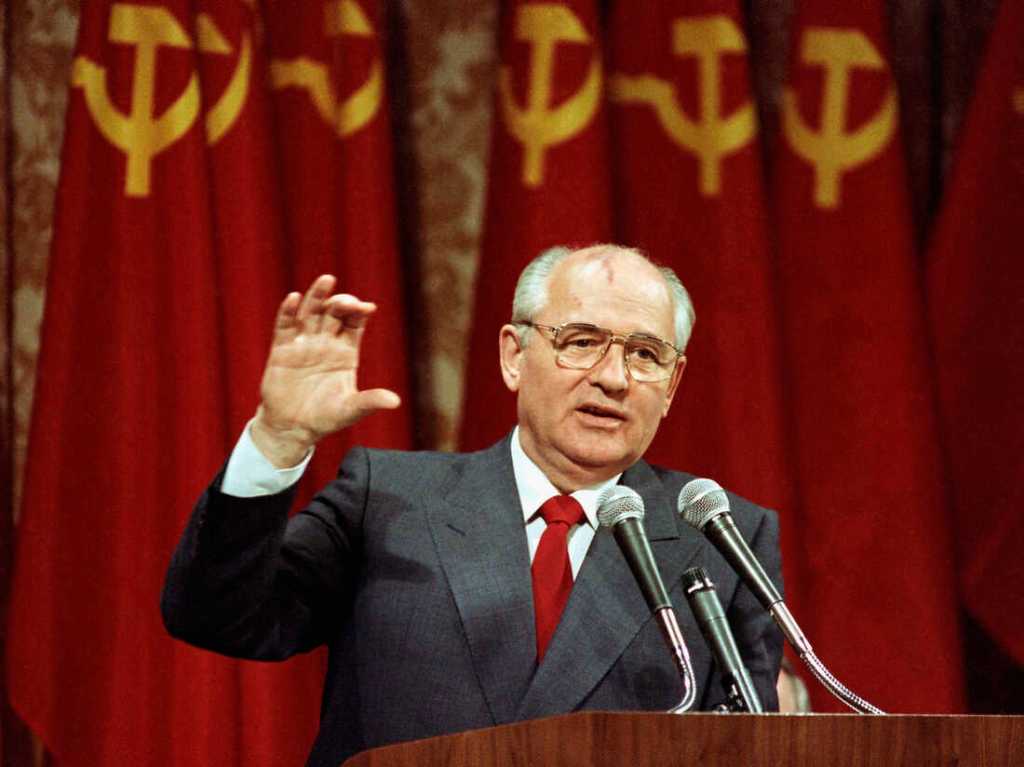
Then, Gorbachev decided to try making the Union less dictatorial, instituting several reforms. He then held a poll in 1991 to see if the Empire wanted to break up the U.S.S.R. After finding an overwhelming majority of the population supported the idea, he decided to do it. However, the remaining Communists did not like this idea. They decided to stage a coup, and rolled in on tanks to depose Mikhail. When faced with the rest of Russia’s military, however, they backed down pretty quick, and the communist party was ended in Russia.
Gorbachev resigned on Christmas day, 1991, and the entire soviet country collapsed and disintegrated. Out of it’s remains 15 new countries were formed: Armenia, Azerbaijan, Belarus, Estonia, Georgia, Kazakhstan, Kyrgyzstan, Latvia, Lithuania, Moldova, Russia, Tajikistan, Turkmenistan, Ukraine, and Uzbekistan. America’s position with Russia and the rest of these countries has been quite strong, though friendly ties to Russia have began to deteriorate in modern days over it’s treatment of Ukraine.
Unable to even fly until the Wright brothers came around in 1903, humans had no chance of reaching space until Nazi Germany began building jet planes near the end of World War II. The Germans invented the very first rocket that was capable of reaching space, which is defined as 100 kilometers above the earth. This first Rocket was called the V2, which could fly to 206 kilometers high. After the war, both the U.S.A. and the U.S.S.R. began capturing a taking V2 rockets and Engineers from Germany.
The first experiments done were by the Americans using V2 Rockets, examining cosmic radiation and sending up fruit flies to see their reaction to space 1946. The Russians quickly did these same experiments in their own V2s, as well as a new rocket called the R1 in 1947. It’s important to note that these rockets would go up, and then come back down, they wouldn’t stay in orbit for long enough to do serious experiments. Partly due to this, partly due to the growing intensity of the Cold War, the space race was put on hold as both countries put their German rocket scientists to work on ICBMs, also known as Inter-Continental Ballistic Missiles, which would be capable of sending nuclear bombs all over the world.
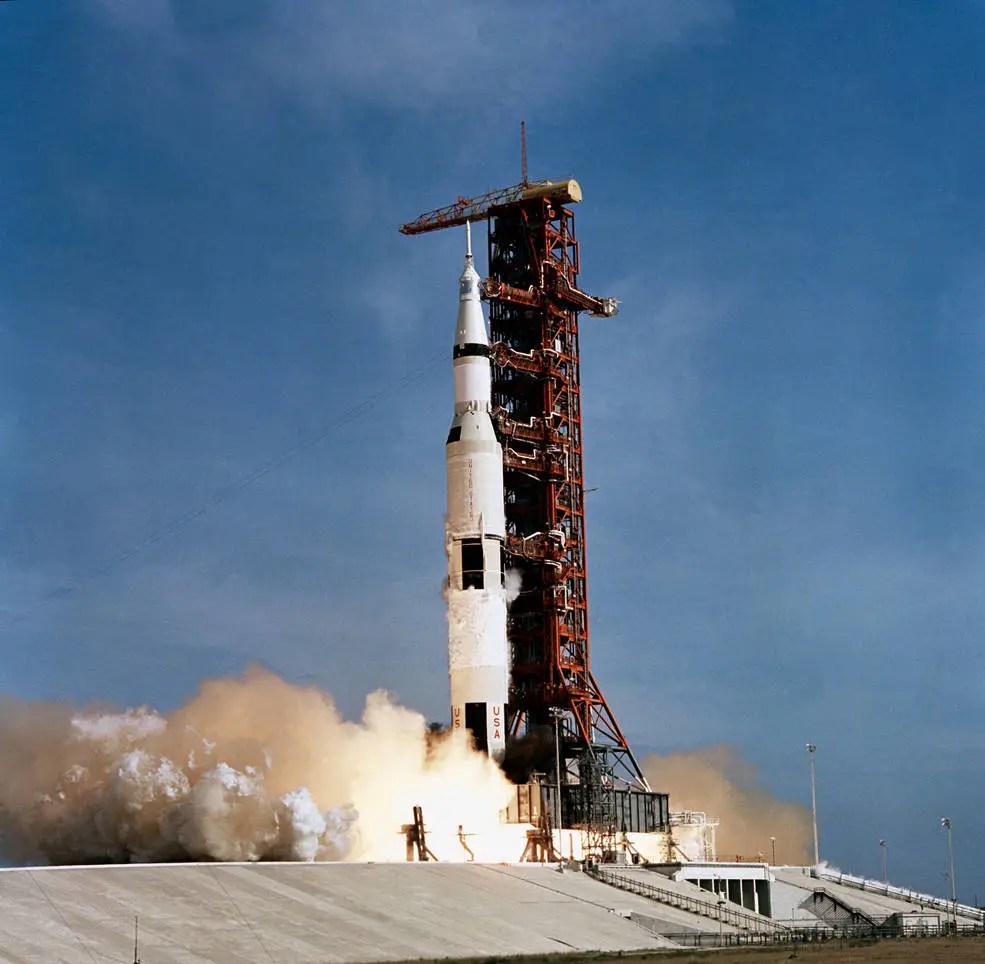
Russia decided to jump back into the space race after they realized they couldn’t get a meaningful advantage through missile manufacturing, and sent up the first satellite, Sputnik 1, in 1957. They followed up with the first living being in Space that same year, when they sent Laika the dog up in Sputnik 2. The American populace was affronted by these communist successes, and was worried that it meant the Russians were ahead of them, technologically speaking. So President Dwight Eisenhower founded the National Aeronautics and Space Administration (also known as NASA) in 1958 to compete with the Russians. The Russians then sent up the first Human in Space, Yuri Gagarin, in 1961. 23 days later in 1961, NASA sent Alan Shepard up as the first American in Space. A year later, NASA sent up the first orbital Solar Observatory,meant to study the sun. then the Russians took the first man out of his shuttle for a space walk, that man being Aleksei Leonov, in 1965. they then sent a fully automatic shuttle to the moon, with no one on it. Then in 1968 NASA sent the first manned orbit around the moon, though not touching it. President John Fitzgerald Kennedy declared in 1962 that the goal of the Space Race was to put a man on the moon and return him to earth. Both Russia and America began frantically preparing for a manned moon Landing, and America put both Neil Armstrong and Buzz Aldrin on the moon in 1969.
After the Apollo Program not much happened in America, though the Russians managed to make a Space Station in 1971. America came back to it in 1981 though, with the Columbia, Discovery, Atlantis, Challenger, and Endeavor Space shuttles. The Challenger Shuttle suffered a massive explosion in 1986, killing everyone in the shuttle. This was highly publicized, since it was popular due to having civilian astronauts aboard. The Columbia also exploded in 2003, but the other shuttles were used until 2011. the cold war had ended in 1991, and the Russians and Americans helped helped each other after this, and using the shuttles, the International Space Station (ISS) was built off of the Russians 1971 space station in 1998, and is in use and has people on it to this day.
So, just 66 years after making the first flying machine, people landed on the moon, and 29 years after that we have a humans living in space at all times. Quite a far ways to go in a short time, who knows how far we’ll go in the future?
John Fitzgerald Kennedy was the first president to be born in the 20th century, the youngest president to be elected, and the first Catholic President. He was the second oldest of 8 siblings, all of whom became well respected figures. Thanks to his fathers money and influence, John was able to make many connections with European powers, and while he was smart, he wouldn’t try all that hard in school, caring more for pranks and having a good time.
His father was appointed as the ambassador to London, and JFK would often attend meetings or votes in his fathers name. Thanks to this connection to England, John was able to right a thesis on England’s response to Hitler and why they were so under prepared. It was published and became incredibly popular.
During WWII JFK joined the Navy, and was the secretary of the Navy at the time of Pearl Harbor. He joined the fight in a gunboat, but suffered a back injury after a submarine attack, and was honorably discharged just before the Japanese surrender in 1945.
after this, he turned to politics. He won a seat in the House in his home state of Massachusetts in 1946, then won a Senate seat in 1952. He married his wife, Jacqueline Bouvier, the next year. He had numerous surgeries for his back over these years as a Senator, and received the catholic last rites more than once. It was partially because of these surgeries, and partly because of his less-than-serious disposition that he isn’t remembered for anything during this time.
He then ran for president in 1960, defeating the former vice president Richard Nixon. He is famous for saying at his inaugural address “Ask not what your country can do for you- ask what you can do for your country.” Both him and his wife were somewhat unique, as they were not only the president and first lady, but celebrities. They set many fashion trends, and JFK was a huge supporter of Television and Radio. They also refurnished and refurbished the White House, which was uncommon. Their time in the White House is sometimes referred to as the Camelot Era, in reference to king Arthur and his noble court.
Cuba had come under the control of Fidel Castro, and become communist, and both Eisenhower and Kennedy saw Cuba as far too close to America for safety. So they planned an invasion, referred to as the Bay of Pigs Invasion in 1961. The American-trained Cubans took control for two days before Castro regained Cuba, and forced Kennedy to pay up 53 million dollars in food and supplies for 1,113 men remaining of the 1,500 sent. This was a horrible embarrassment, and raised tensions with Fidel.
In 1962 Cuba became important once again, this time thanks to the Soviets, who installed nuclear missiles in Cuba, pointed at the US. Nuclear war nearly broke out, but Kennedy and his administration managed to get the Russians to back off and dismantle the bombs.
Also with the Russians, the Space Race had started, and Russia had managed to send up Sputnik 1, a satellite, into Space during Eisenhower’s presidency. He started NASA, but they didn’t do much under him, and it wasn’t until John declared that they would put a man on the moon within the decade in 1962 that NASA started working overtime to meet this promise. And in 1969, right before JFK’s deadline, Neil Armstrong set foot on the moon. Unfortunately, it was past JFK’s own personal deadline.
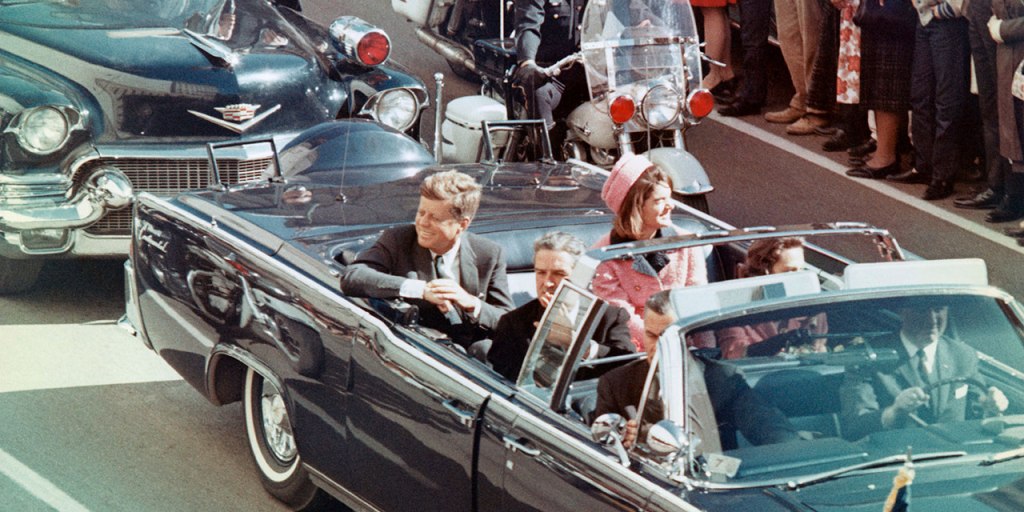
In 1963 JFK was traveling in a limousine in Dallas when the picture above was taken. A moment later, Lee Harvey Oswald’s bullet blew his brains out. It’s believed that he was apart of a conspiracy, as he claimed he had not shot anyone, but he was killed two days after his arrest by one Jack Ruby. It’s nearly certain that there was a conspiracy thanks to evidence at the crime scene, but nobody knows for sure what happened, so conspiracy theories abound.
Generally remembered as a good guy, and one of the best presidents, he left a good legacy, despite the Bay of Pigs mishap. Despite his immense popularity, he was killed, and the States were clearly left in poorer hands when his vice president, Lyndon Johnson, stepped up.
Mao Zedong was born in 1893 to a peasant family in a farming village, where he experienced the difficulties that came with being poor in China at the time. He began studying to become a teacher as he grew older. He joined a political party called the Kuomintang, which managed to become rather respectable as a part of the government. However, he heard about communism at the schools where he was learning and decided that it sounded better. Before he could find a job, news of the success of the Bolshevik revolution came in, exciting interest in communism. Mao saw this as his opportunity to start a communist party in China, and by 1925 he had become a significant figure in the party and had grown it to be quite large. However, in 1925 a new leader came to power in China. He was a member of the Kuomintang, and did not have the same feelings about communism as the previous leader. This man decided to wipe out Mao’s party, who fled to a mountainous region of China, where the communists remained until 1934. it was then that another push to kill the commies came, and they were forced out of the mountains. Mao convinced them to run away to a whole different region of China. This was known as the “Long March” (real creative name, I know) as it was an 8,000 mile journey through harsh conditions. It took a year for the journey to be completed, and 70% of the people who started the journey died. Despite this, Mao managed to make himself the undisputed leader through sweet-talking the lower-ranked commies.
The Japanese were expanding their empire at this time, and decided to try their hand at invading china, seeing the conflict that was going on inside their borders, but instead of fighting individually, the Kuomintang and the communist joined forces to fight the Japanese. When WWII ended in 1945 this truce ended, but now the communists had a lot more resources, and were on even footing with the Kuomintang. This led to a brutal 4-year long civil war, in which Mao became leader of China in 1949.
This was the most successful part of Mao’s life, and he managed to increase women’s rights, double the schooling system, and increase healthcare, and all of it was pretty good quality. This was for the rural areas, however, as the well populated areas already had these things, and disapproved of having to pay taxes to help people other than themselves. Mao tried opening a complaint department, where people could complain and make requests on how the government should be run, but after seeing a good deal of complaints he began to fear that he would be overthrown by his people. He closed the complaint departments and began cracking down on the people, executing and imprisoning hundreds of thousands of people. Realizing that this was hurting the people, he began the “Great Leap Forward” (another imaginative name, but at least it was better than the last one). Mao tried organizing workers and regulating farming, in an attempt to make up for the previous crackdowns and to get china’s economy on par with the west’s, which had surpassed China. The great leap forward failed miserably, however, combined with a few years of naturally poor farming years, and caused the worst man-made famine in recorded history, causing the death of 40 million people.
He was quietly removed from power by his fellow communists in 1962, and didn’t expect anything from him, since he was 69 years old. He managed to form a following, unfortunately, in 1966 among the youth of china, who did not remember the great fall back, or the seemingly underwhelming benefits of communism. He managed to get back into position as the head of the country, and this time, made sure he would not be brushed away again. He closed all the schools and executed all of the intellectuals who didn’t openly support him, so that there could be no opposition to him. This was a far more extreme version of the crackdowns before, and much worse. This time period of total dictatorship is what Mao is most known for. He died in 1976, but China remained a communist dictatorship. Chen Yun, personal assistant of Mao once said that “Had Mao died in 1956, his achievements would have been immortal. Had he died in 1966, he would still have been a great man but flawed. But he died in 1976. Alas, what can one say?”
World War II was officially started in 1939, when Germany captured Poland and added it to the Nazi Empire. The tensions that led to the war had started as early as 1918, when Germany lost World War I, and the Allies organized the Treaty of Versailles, and used it to mistreat the Germans, forcing them to pay drastic reparations to the Allies, unable to make or organize military machines and troops, as well as several other punishments that served only to cause unrest among the german people. One of the terms was the splitting of Germany into several countries, such as Poland and Czechoslovakia. The uniting of these Germanic countries was the first order of business for Hitler when he decided on conquering Europe. He held an almost-certainly rigged vote among the German people and the Austrian people in 1938, resulting in more than 99% of the people wanting to join the two countries into one. With this he was able to convince the Allies that it was alright to join the countries, though they could see plainly that the vote had been tampered with. They didn’t say anything, however, not wishing for WWII. When Adolf asked for Czechoslovakia later in 1938 in the Munich Agreement, the Allies tentatively agreed to his terms, but no more. So when Hitler took Poland and added it to the quickly growing Germany, Britain and France finally decided enough was enough, and declared war.
However, Germany had been building war machines and organizing Armies in secret, and attacked europe with a new war strategy, known as blitzkrieg. Blitzkrieg is german for “lightning war” or “fast war” and used it extremely well, conquering Belgium, the Netherlands, and France in barely over a month. It reached the height of it’s power in 1942, before anyone could engage them in war, though Britain did begin preparing for massive efforts. The first failure for Nazi Germany was the Battle of Britain, in 1940, when Germany began continuous air-bombing Britain, but failed to conquer it. The first major failure, however, came in 1941, when project Barbarossa didn’t conquer Russia, costing the Third Reich some million soldiers, though they slayed some 4 million Russians. The reason that they failed wasn’t really because of the Russians, but because it took to long to conquer Moscow, and the cold winter came and guarded the Russian landscape.
1942 is when the Allies began to take back ground against the Germans, and America joined the fight in earnest. Germany’s ally, Italy, fell to the allies in 1943 when Benito Mussolini was killed. In 1944 the Allies fought and captured land in Normandy, a French territory, on what is now known as D-Day. From there the Germans were pushed back to Berlin in 1945, where the Russian Army landed the final blow at the Battle of Berlin. Hitler committed suicide, and Germany surrendered.
The war wasn’t over yet, however, since Germany had another Ally, not in Europe at all, but Asia. The Japanese Empire was extensive, and powerful, and originally planned to conquer all of the Pacific Ocean. Unfortunately for them, the USA had many holdings in the Pacific Ocean, such as the Philippines and Hawaii. America had a military base in Hawaii, Pearl Harbor, and Japan bombed it in 1941. This gave America an excuse to get into the war, and despite their slow start in the fighting and few early successes, the Japanese were slowly rolled back from their territories, until 1945, when the Japanese began digging their heels into the ground (sea?) and making the Americans fight for every inch. Then, in May, 1945, an Atomic Bomb was dropped on Hiroshima, a Japanese city, destroying it. When they still refused to surrender, a second bomb was dropped on Nagasaki, Destroying another city. Finally, Japan surrendered, and the most deadly war in history was over.
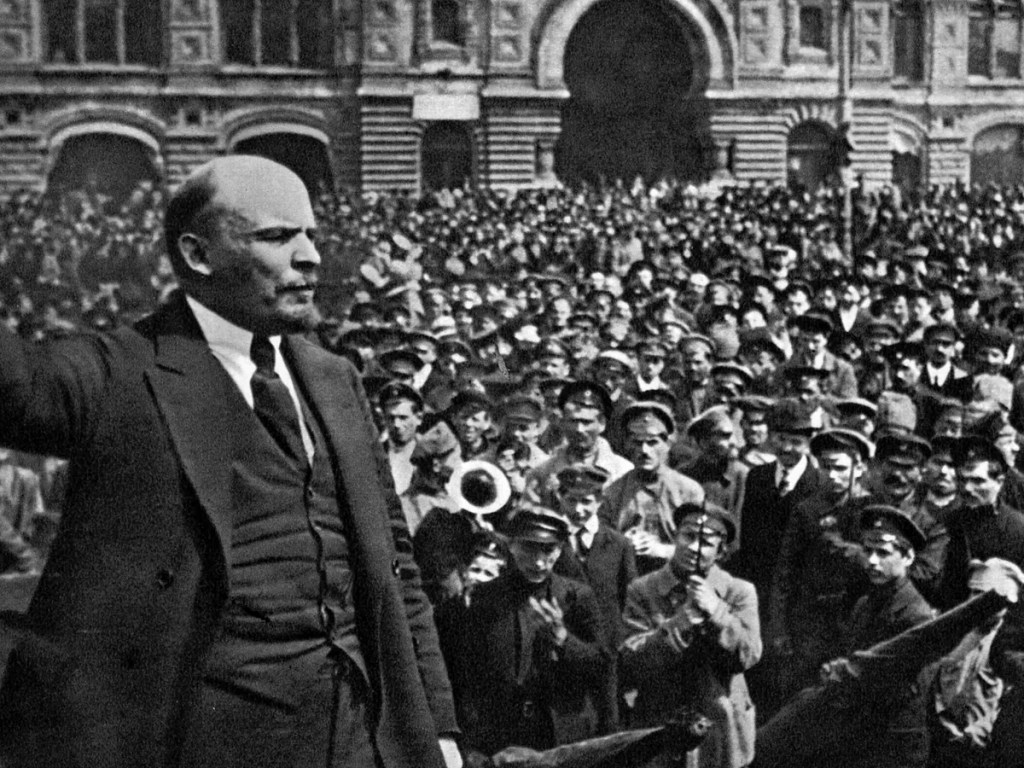
The Russian Government had been ruled by Czars, or tsars, (pronounced “Zars”) who were the kings, or emperors, of Russia from 1721 to 1917, when the Russian people overthrew Nicholas II, the last of the Czars. This was known simply as the Russian Revolution of 1917. the Russians set up a provisional government to replace the czar system. However, this new government didn’t satisfy all of the Russians, with some forming their own political parties. The most prominent of these was the Bolsheviks, a socialist party. These people, led by Vladimir Lenin and Leon Trotsky, managed to get elected into the provisional government and began spreading their message among the people, gaining a great amount of support from those who were left unsatisfied by the previous revolution.
The Bolshevik Revolution came to pass on October 25th, 1917 according to the Julian calendar, which was used by the Russians at the time, though the Gregorian calendar dates it to November 7th, 1917, which is used today. It was startlingly bloodless, partly due to the fact that the Russian Revolution just ¾ of a year earlier was one of the most bloody in history, so anyone willing to die over the government had already been killed. The Bolsheviks simply stepped in and took control of all the government buildings, and were hailed as heroes by the people for freeing them from an oppressive government, and giving them freedom through communism. They would quickly realize that communism isn’t a “freeing” sort of government.
Lenin and Trotsky were communists, and derived their philosophy from Karl Marx, who wrote the famous “Communist Manifesto.” The driving idea behind communism was that by eliminating all property rights and dividing all resources among all people evenly, they would eliminate greed, making life better for all. While I’m not going to go into all the reasons communism doesn’t work, it is worth knowing, so I recommend researching it. For now, I’ll just say that instead of communism, every country that tried using it ended up with a dictatorship, and Russia was no exception. Lenin began killing off any opponent political parties, until there were only communists and pro-communists. If anyone spoke out against Lenin or the Bolsheviks, they were not heard from again. This was known as the Red Terror, and caused a third civil war to break out from 1917-1920, as the people realized the Bolsheviks were not saviors, but new masters. This time, the Bolsheviks won again, and Lenin renamed the government the “Union of Soviet Socialist Republics” also known as the USSR.
Lenin ruled until 1924, when he died of natural causes at age 53. He was succeeded by Joseph Stalin, who would take the power of the Dictatorship even further than Lenin had, entering Russia into the darkest time in it’s history.
If you want to know how the war got started, then please read my previous post, Build Up to World War 1. After the Archduke of Austria got assassinated, Austria declared war on Serbia, leading to all the countries preparing to fight one another. However, everyone assumed that Austria would start the first battle, presumably against Serbia or Russia, seeing as that was what started the war. What the allies didn’t expect was for the first act of aggression to come from Germany, and they certainly didn’t expect for them to invade, not France, not Britain, not Russia, not even one of the allies, but Belgium, a completely neutral country that just happened to be between Germany and France. Germany could’ve reached France by going a little south, but marching through Belgium was a straight line to Paris, capital of France. So Germany on August 5, 1914, hoping to end France with a single blow and possibly end the war with the same blow, decided to march through Belgium and into Paris before any of the Allied countries could prepare their armies for the defense of Paris. Unfortunately for Germany, who had hoped for a short Battle of Liege (Liege being the capital of Belgium) ended up fighting an 11 day Siege of Liege. This, while fairly short, was not nearly short enough too allow the Germans a surprise attack against Paris. In fact, the attack against a neutral territory convinced Britain to send far more aid to France then they probably would have otherwise, reinforcing the border between Germany and France, resulting in a dragged out war.
Russia formed up its own armies, the huge First and Second armies, and began marching on Germany. However, the Germans were expecting this and sent out their own army to fight them. The Russians were extremely unwieldy and slow, though massive. The Germans took advantage of this by making their own eastern army as fast as possible, and on the 23rd of August the Germans passed by the First Army and destroyed the Second Army, who were thoroughly unprepared for an attack. They then began a series of fights throughout the rest of August, finishing the Second Army and defeating the First. This is referred to as the Battle of Tannenberg and kept the Russians out of most of the rest of the war.
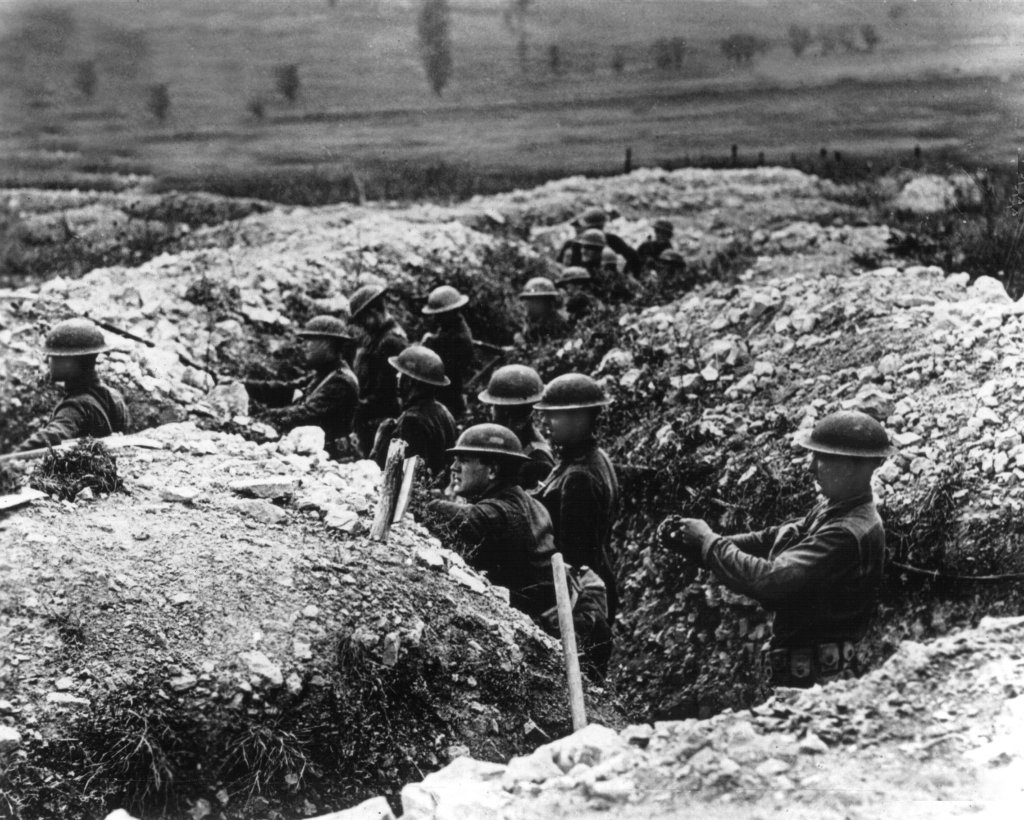
Back on the western front, the French/British forces and the Germans both realized that this would be a prolonged war after the failure to sack Paris quickly. They both began digging trenches and building small fortifications to get some advantage against the other. Nothing else really happened until 1915 when the Austrians managed to conquer Serbia. It wasn’t much trouble since they were so small, and no repercussions came from the Russians due to the whole their-army-was-decimated-thing. The British Navy began blockading Germany and keeping ships from trading with them. This continued throughout the war, with only occasional attacks from German submarines interrupting the blockade, and a single battle. The British colony of South Africa also conquered the German colony of Namibia, as well as other small colonies.
The Ottoman Empire, which had been driven out of Europe by Serbia and the other Balkan countries, decided to enter the War on the Prussian side, since Germany had been supporting and helping the empire for quite some time, though an official treaty never came out of it until the war. The British decided the Ottomans had to be stopped from aiding Germany, and so launched the Gallipoli Campaign. Since all of their soldiers were aiding France in Europe, the English recruited men from their colonies in Australia and New Zealand to fight the Ottoman forces. They failed spectacularly, however, and the campaign ended in early 1916. Also in 1916 were the Battles of Jutland and Verdun, Jutland being the only real naval battle in the war and Verdun being the first real German loss. The battle of Jutland was fought off the coast of Denmark (a neutral country) by 151 English ships and 99 German ships. The British ended up retreating after losing 14 ships to only 11 German ships. Despite this victory, the German Navy spent the rest of the war collecting dust, as the naval commander was so scared to lose any ships they were never used. Verdun was fought between French defenders and German attackers, and ended up being the bloodiest battle in a war known for its bloodshed. The Germans surrounded the fort on three sides and attacked it 4 times before backing off for a bit. The total lives lost for no change in the battle lines went over 700,000.
Belgium hadn’t stopped fighting Germany, however, and they fought three battles in Ypres, also known as Flanders, attempting to free themselves from Prussia. None of the attempts worked, but the did interrupt a few German offensives against France. Ever since the Battle of Tannenberg, Russia had been attempting to get back on its feet, but due to political struggles and sabotage by the Germans, Russia underwent a revolution. They wrote up a quick treaty with Germany in 1917 and stayed out of the rest of the war, dealing with the Bolshevik Revolution.
Speaking of countries that barely did anything in the war, let’s look at Italy. If you read the Build Up to World War 1, then you know that Italy was allied to both Austria and Prussia. However, they got scared on the outset of the war and backed out of the alliance. Unfortunately for them, the Allies pressured Italy into fighting the Germans in 1916, and they ended up fight the Prussians and Austrians in 1917 in the Battle of Caporetto. They were right to be scared. Their army was decimated by the Germans, and at least 265,000 soldiers were taken prisoner, ending Italy’s portion of the war effort.
The Americans also joined the war in 1917, on the grounds that Germany had been too carefree with their submarines and sunk innocent American civilian ships, even though many of those ships were sending aid to the British and French. The first battle with Americans was also the first battle with tanks, and was known as the Battle of Cambrai. Despite the two new advantages, it was a solid German victory.
However, despite all these German victories, the final battle of the war came in 1918, known as the Battle of Amiens, or the Hundred days offensive. It lasted ninety-five days, and it beat the Germans all the way back into Prussia. The Germans signed a cease-fire on November 11th, which we celebrate every year on Veterans day. Later the Treaty of Versailles was written and signed, putting an end to World War 1, and setting the stage for World War 2. The total military and civilian casualties ended up being at least 40 million lives, due mostly to the new inventions in the war, like tanks, machine guns, flamethrowers, poison gas, fighter planes, and others, turning a fairly standard European war into an incredibly horrible waste of many lives.
World War I, also called the “war to end all wars” by those who were unaware of World War II, was a pretty big war, though not particularly long (it started in 1914 and ended in 1918), and the causes for this war started as far back as 1817. In 1817, Serbia, Greece, and several other Balkan countries separated from the Ottoman Empire, which had been weakening for a while at this point, and began scraping out some independence for themselves. After a good long while, the Balkan States managed to completely shove the Ottomans out of Europe and into the Middle East in 1913. This sounds great, but they all then weakened themselves by fighting over the land left by the retreating Ottoman troops. Again, doesn’t sound too bad, but then Austria-Hungary got hungry for land, invaded Serbia’s neighbor Bosnia, and began looking greedily at Serbia. Serbia, rightfully scared, hastened to make a deal with a powerful country, who ended up being Russia. Russia agreed to help Serbia if Austria-Hungary ever threatened them, with the only reward to Russia being it’s continued influence in Eastern Europe.
This’ll be important in a bit, but for now, let’s look at the history of Prussia. Prussia had been a noticeable country until 1866, had been quite important awhile ago, but was generally not impressive until 1866 when it won a war against Austria, who was the previous powerhouse of central Europe. Prussia, now the top dog, didn’t want to have to deal with outside threats and instead wanted to build up it’s infrastructure and economy. Toward this end, it arranged the League of Three Emperors in 1873, a treaty between Austria-Hungary, Prussia, and Russia. Serbia officially became a sovereign country in 1878, and Austria started looking at Serbia, leading Russia to leave the League. Prussia then arranged the Dual Alliance between themselves and Austria-Hungary, but updated it to include Italy in 1882 since Italy, like Prussia, didn’t want to have to deal with a war all by itself, so they joined this powerful Triple Alliance. Prussia, thanks to this focus on economics was second only to Britain in most all categories, and had started challenging Britain’s colonies around the world.
Looking back at Russia for a second, they now felt very threatened by the fact that Austria-Hungary, who was clearly planning to fight their (Russia’s) ally Serbia, had enlisted the help of powerhouse Prussia and the weaker but not dismissible Italy, so they made a deal with France, Prussia’s closest neighbor other than Russia and Austria, in 1894. France was eager to join this alliance because of how threatening Prussia was, and was mostly unaware of the high tensions between Serbia and Austria-Hungary.
Now remember how Prussia had been antagonistic to Britain? That really came back to bite them, because it gave Great Britain a reason to engage in treaties with both France (in 1904)and Russia (in 1907) to help it fight Prussia.
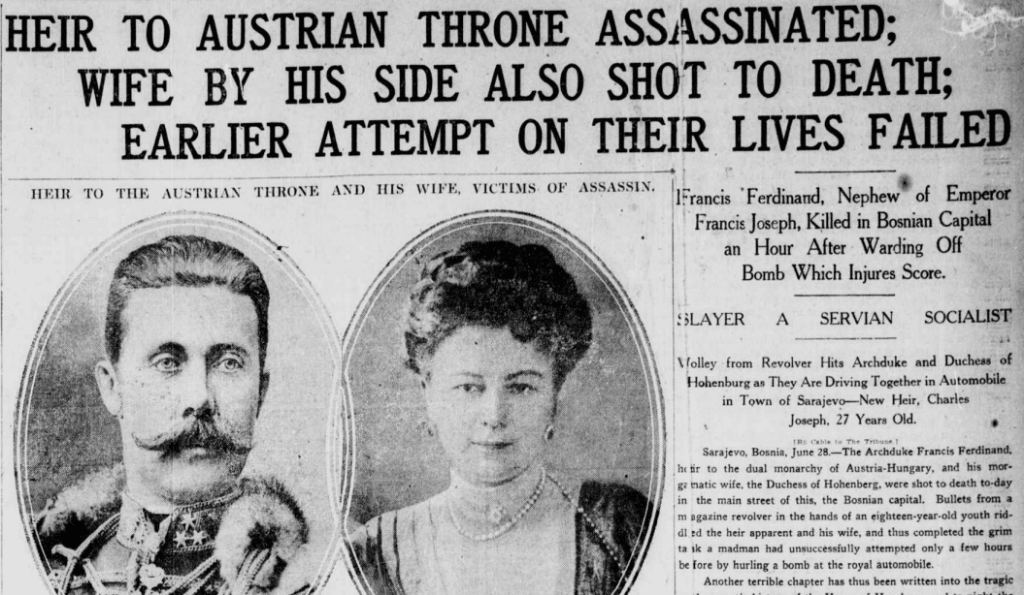
So, coming to 1914, the beginning of the war, you have Russia, France, and England making what is known as the Triple Entente, as well as Serbia allied to Russia, and Prussia, Austria-Hungary, and Italy making up the Triple Alliance. This made up the sides of the war, but we’ve yet to discuss the direct cause of the war. One day, the 28th of June, 1914, Archduke Franz Ferdinand, heir to Austria, was driving through Austria’s territory of Bosnia, when a Serbian who particularly didn’t like Austria threw a grenade at Franz’s car. It went off, though didn’t kill, or even injure, either Ferdinand. They visited the governor’s home, rested awhile, but then decided to visit those whom the bomb had hurt in the hospital. It was there that the would-be assassin’s co-conspirator saw them, and shot both, stone dead. This caused Austrian outrage, and they declared war on Serbia, who enlisted Russia, who brought France and England, and Austria gathered it’s own friends, Prussia and Italy. Thus, the war began.
Before the 1800s, most people didn’t really have free time, as the majority of the population was required to farm all their live just to stay alive. But as technology advanced, this was no longer necessary for all people, particularly in America, and many people suddenly had free time. This led to many people taking to being cowboys, or bandits, or miners during the gold rush. But as time went on and people realized these weren’t sustainable pastimes, several other options were invented and popularized at the end of the 19th century.
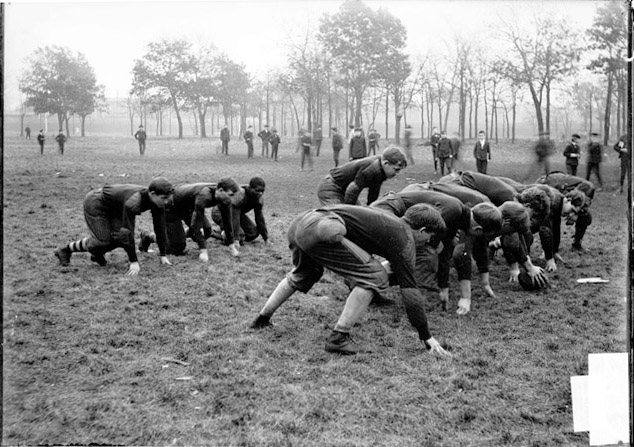
Football, also known as American Football in Europe, is an American version of a sport known as Rugby in other parts of the world, particularly those colonized by England. As Americans put there own spin on it near 1869, it became a fairly popular sport, though nowhere near the other sports at the time. It became a professional sport in 1920, though still lacked much popularity, and was not considered a major sport until 1959, when it managed to rise to be the most popular American sport, which it still is too this day. Part of the reason for the lack of interest is probably the extreme injuries that players would often suffer, causing rules and penalties to constantly change until 1959, when sustainable rules were written.
The first version of basketball was incredibly similar to modern basketball, and was invented in 1891. James Naismith invented it to help stop people, and kids especially, from playing football, due to it’s accident-prone nature. It first started with throwing a ball into a peach basket on a fence post, but it quickly became quite popular, and due to it’s rather unique ability to be played indoors, it became a wintertime sport. It isn’t the most popular American sport, but is a rather close second, and has been for the duration of it’s existence, as well as being an international sport, unlike American football and baseball.
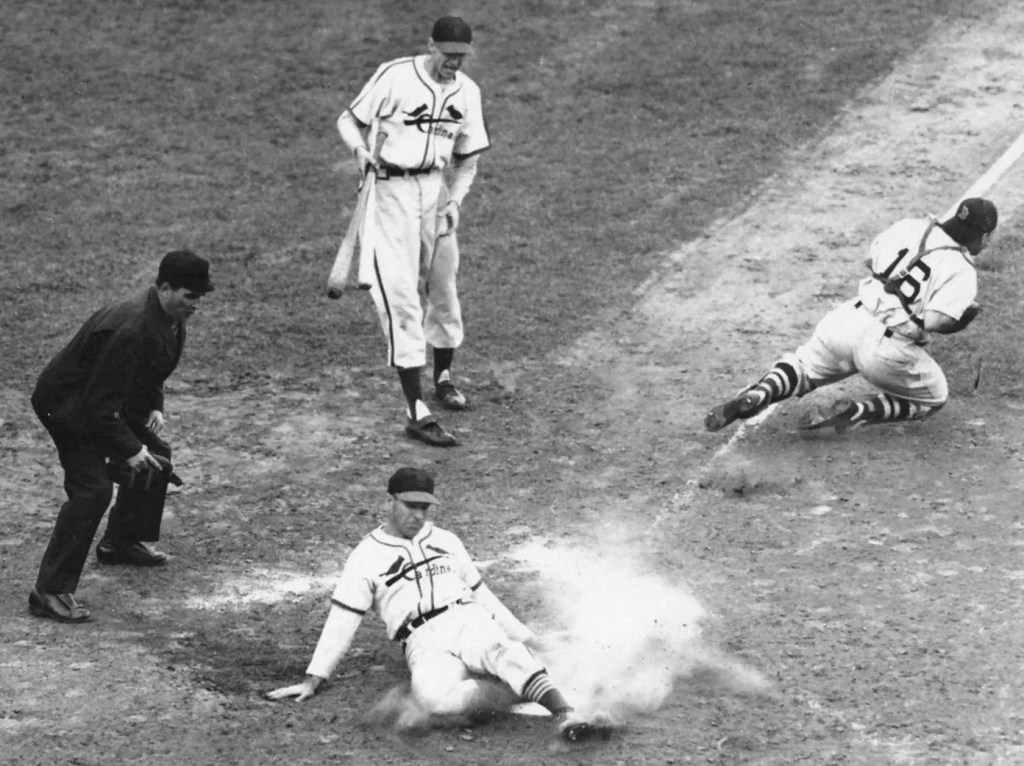
Baseball is the oldest of these games, starting near the beginning of the 1800s, and official rules being set 1845. The major writer of these rules was Alexander Cartwright, who took off to California to help dig in the Gold Rush, spreading baseball throughout America. It was easily the most popular sport for quite a while, even being nicknamed “America’s Pastime” though it has fallen back quite a bit to be less popular than either basketball or football in the modern day.
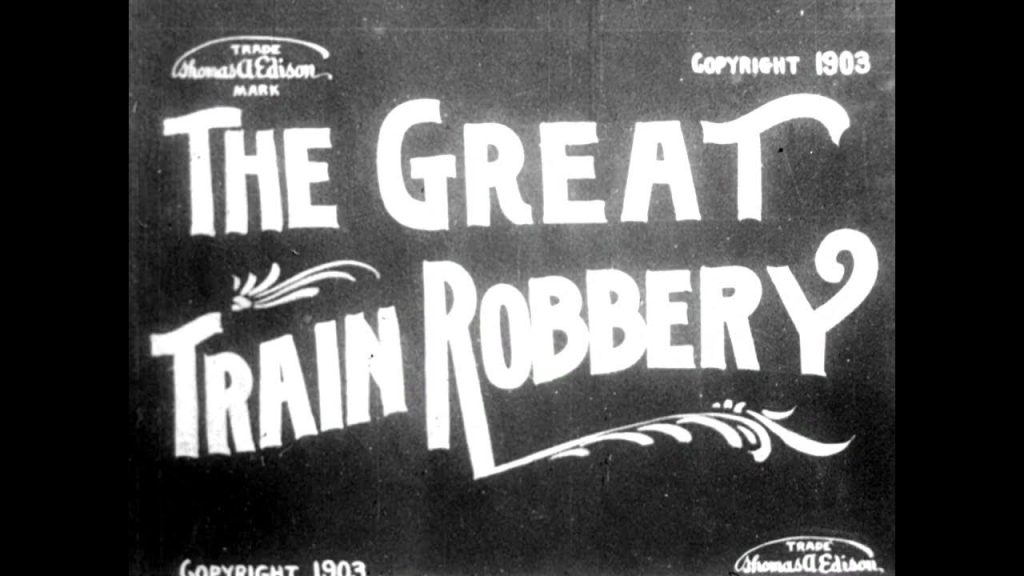
The earliest movies where also made in the early 20th century. Thomas Edison made the kinetograph in the 1890’s, which moved reel of pictures fast enough to make them look like a video, and this technology became very popular very quickly. One of the first successes in the early movie industry was the ten-minute “Great Train Robbery” made in 1903 which introduced filming techniques still used in modern movies. Speaking of modern movies, they have become far and away more popular than any sport,
Edward Stratemeyer popularized “dime novels” especially for children, in the late 1800s. He many, many stories, all fairly short stories for children to enjoy. He had so many series of these books that he hired numerous freelance writers to write series whose premise he came up with. This organization is known as the Stratemeyer Syndicate, and worked quite well. Dime novels weren’t just for children, however, and many short stories about the wild west became popular for all ages, and in the late 1900s romantic dime novels became popular among women.
John Davison Rockefeller was, and still holds the title for, Richest Man in America. He started out as nothing, however, being born into an extremely poor family, his father being a famous conman, and famous is not something you want to be as a conman. In addition to not providing for his family, he would often steal from his own children, saying he wanted to “make them sharp” a goal that fully succeeded with John. They were unable to keep a home in New York, and had to move to Ohio, where John started working as a grocer. He didn’t stay a grocer long, however, instead investing in an oil refinery in 1863 with several friends. None of them were as seriously minded as he was, however, and he managed to buy out his friends’ shares by 1865. By 1870 he had founded the Standard Oil Company, so named because he dreamed that it really would be the standard oil company for the whole of the United States, and as he bought out competitors and built more refineries, that dream became reality.
He would often make somewhat risky and often expensive decisions, like building massive pipelines from his refineries to major cities, which was expensive upfront, but cut out the railroads who had previously shipped the oil, cutting prices for his products, making him more money in the end. He was, however, so eager to cut costs and make money, that he was often cruel to his employees and opponents. When the government began to step in to deal with over the top monopolies, his was the first major business to be hit hard with lawsuits, ending standard oil. He, however, remained owner, or at least major owner of all the companies it turned into, giving him an unofficial monopoly even after his official one was ended.
Andrew Carnegie was born in Scotland in 1835, and while his father was much less horrible than Rockefeller’s, they were just as poor, and eventually managed to move to America in search of a better life. They moved to Pennsylvania in 1848, and Carnegie worked extremely poor jobs constantly, hoping to move ahead in the world. Eventually he won the attention of Tom Scott, a railroad business man, through his being the most efficient telegraph operator in the area. He became his secretary and apprentice, gaining him experience he would use throughout his life. He began investing in other companies, particularly bridge companies, where he was introduced to the material that would make him rich: Steel. Steel was difficult to mass produce at the time, but Carnegie found a process to turn iron to steel, and started Carnegie Steel Industry. He got rich, and became a major competitor to Rockefeller.
He was like John, in that he pushed his employees hard, but he wasn’t quite on the same level as Rockefeller, and when J. P. Morgan made an offer to buy his company, he took it, and spent the rest of his life living comfortably, though he left barely anything for his descendants, saying they should make their own way in the world. This is opposed to the Rockefellers, who are still rich off of John’s money to this day.
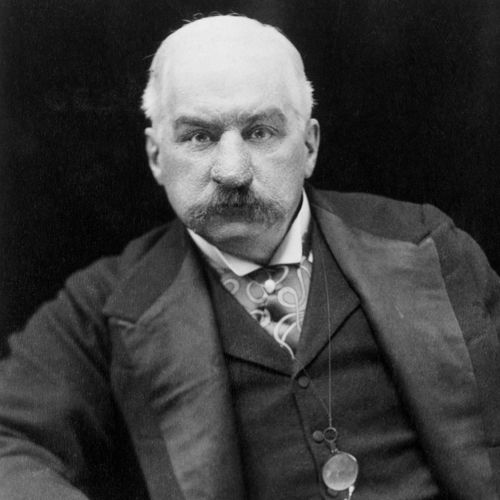
Unlike his rivals, Junius Pierpont Morgan was born to a rather wealthy banking family in 1837, and was groomed to take over the family business. He went to college in Switzerland and Germany, returning to America in 1857, further showing how rich he was. His father had been extremely careful, and had built up his fortune by consolidating multiple failing companies into one successful one, which the elder Morgan would be paid for working out the deals. When J.P. took charge of the company, he still made these deals, but began heavily investing in the companies, and requiring that he be put on the board of directors, or other important positions, as the price for helping out the companies. This made him wealthy, but he wasn’t on par with Rockefeller or Carnegie yet. In 1895 the United States treasury was very near depletion, and Morgan made a deal. He managed to force and convince all the other New York bankers to help him bail out the U.S. government. This made J.P. famous, and rocketed him forward in business. He also became riskier, and started investing in several things, the most famous of which being electricity, and he was a major backer of Thomas Edison.
His only real challenge came when Theodore Roosevelt became president. Roosevelt didn’t like the idea of one man having the power to bail out the government, and set about ending his monopolies with lawsuits the way Rockefeller’s monopoly had ended. Fortunately for Morgan, however, the economy hit a bump in 1907, and and a bank on Wall Street nearly went under, which would’ve been bad for the government and the rest of the economy. Theodore had to ask J.P. to save the bank, which he did, in exchange for immunity to the lawsuits that were being brought against him. The deal done, Morgan’s major companies U.S. Steel (he re-branded Carnegie Steel) and General Electric remain the two of most major companies to this day.






 School Essays